King’s and Lord Treasurer’s Remembrancer (KLTR) Ownerless Property Transfer Scheme
Campsie High Kirk - Pilot Project
The KLTR Ownerless Property Transfer Scheme (OPTS)
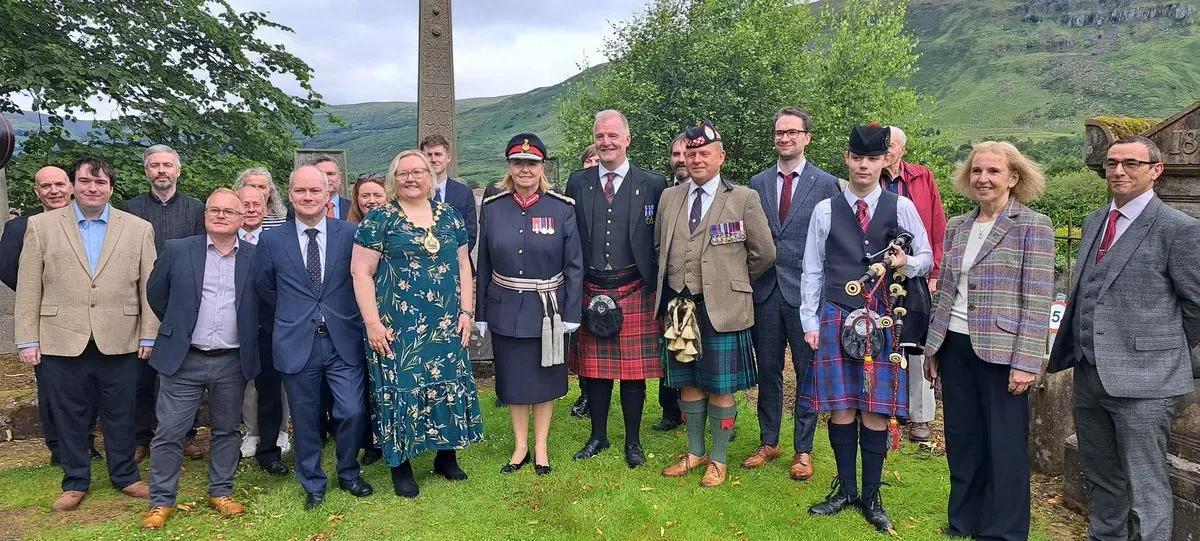
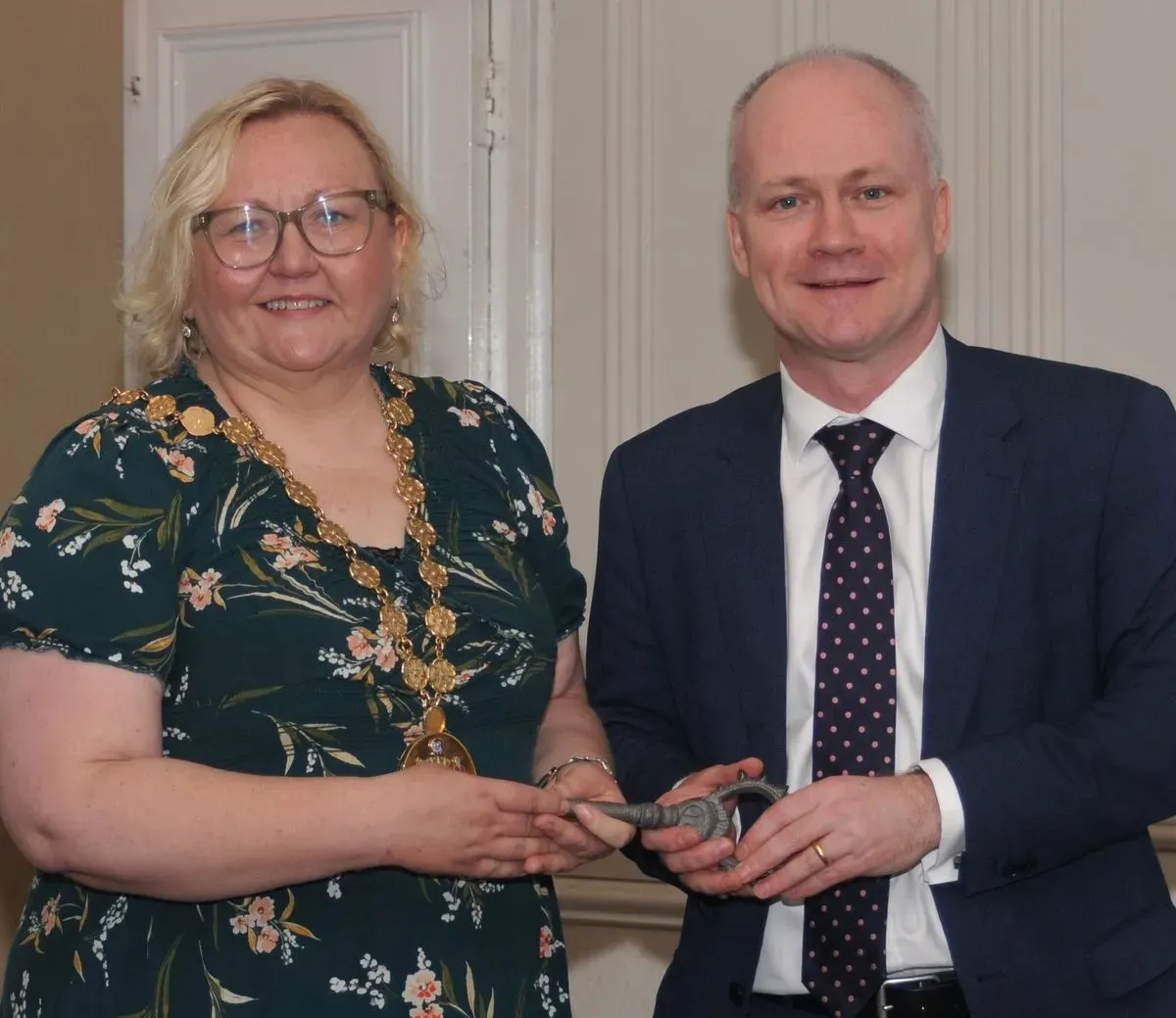
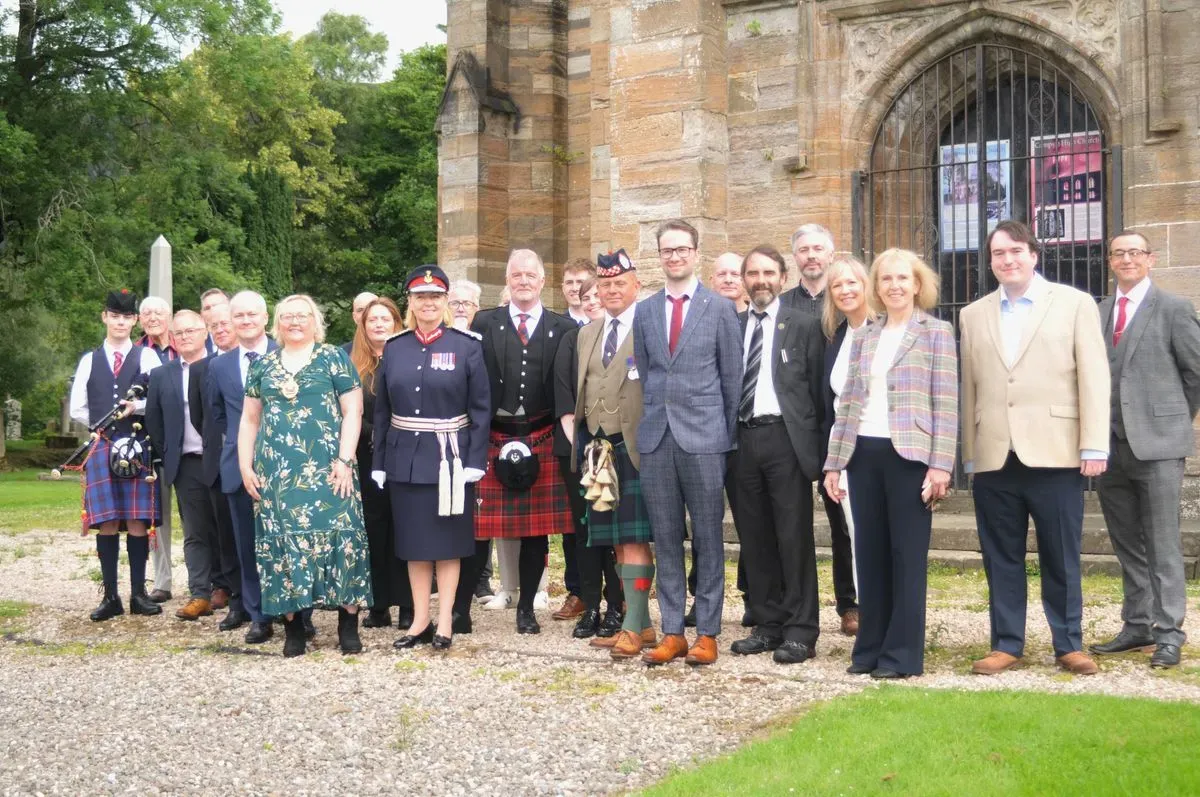
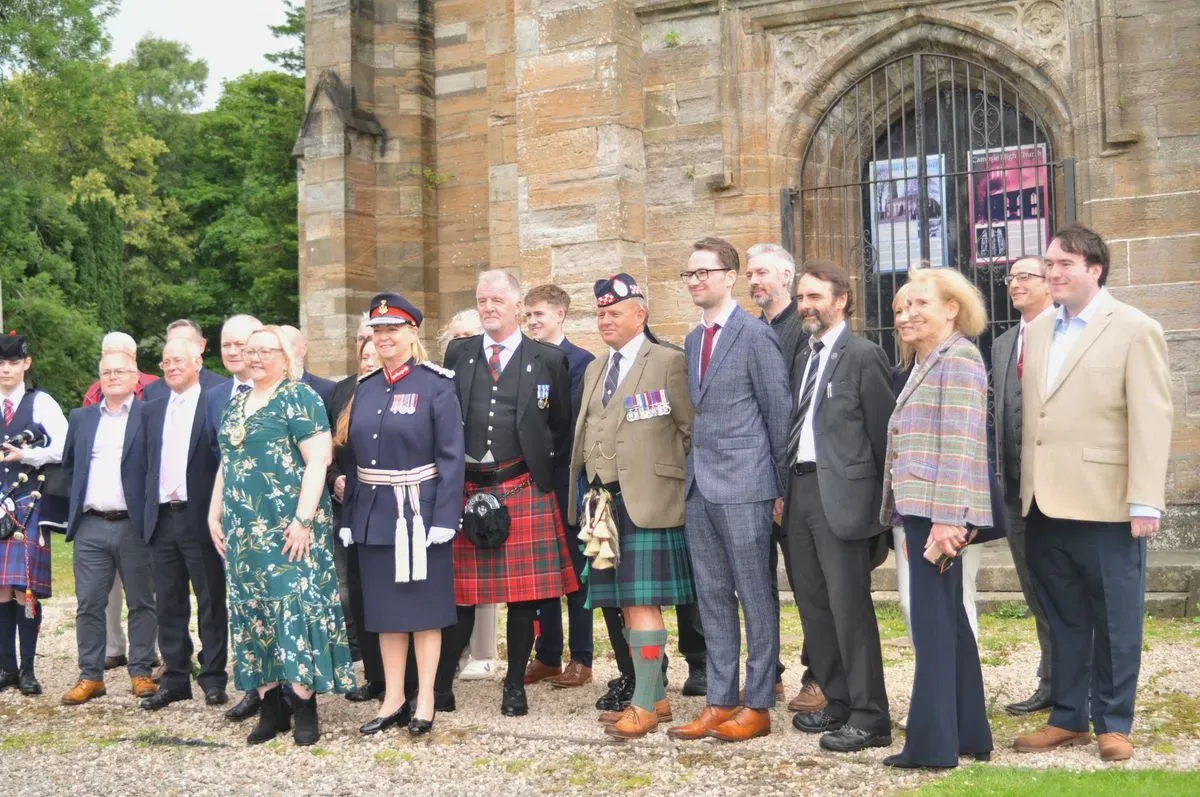
Campsie High Kirk became one of the most significant heritage projects in Scotland to progress through the King’s and Lord Treasurer’s Remembrancer (KLTR) Ownerless Property Transfer Scheme, a national pilot initiative designed to transfer ownerless property into community stewardship where there is clear public benefit.
The transfer marked a pivotal moment in the future of Campsie High Kirk. After decades as a deteriorating and inaccessible ruin, ownership of the site was secured for the community, enabling the building to move from long-term decline towards restoration, regeneration, and active public use.
The Ownerless Property Transfer Scheme exists to support projects capable of delivering sustainable outcomes for communities, heritage, and the wider public interest. In the case of Campsie High Kirk, the project was recognised not simply as a local restoration initiative, but as an example of how community action, public bodies, and national systems can align to bring long-neglected heritage assets back into meaningful use.
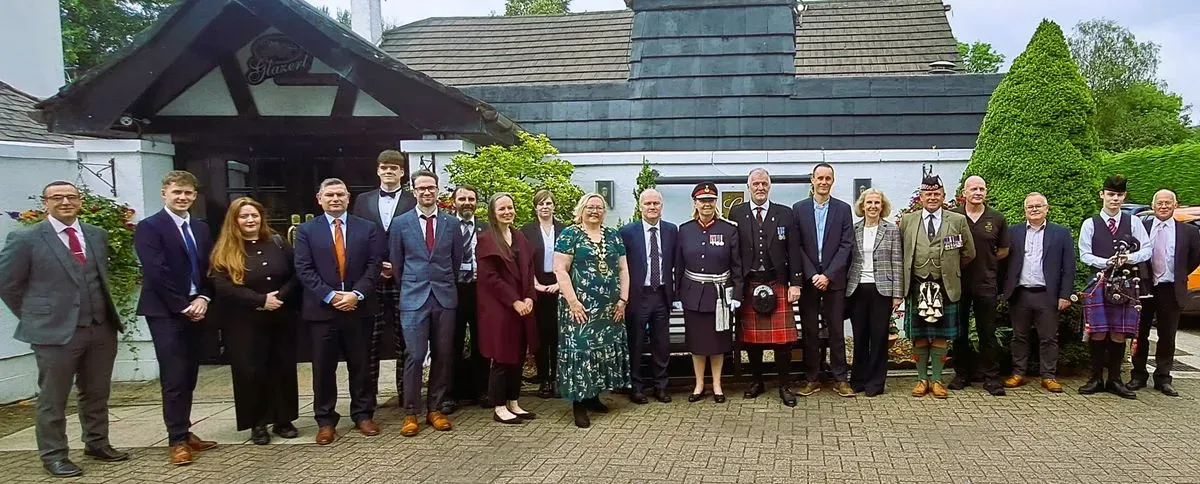
During the formal transfer event, John Logue, King’s and Lord Treasurer’s Remembrancer, described the project as:
“Clear, compelling, and visionary.”
He further described Campsie High Kirk as:
“A building that has witnessed so much, weathered even more, and is now poised for a remarkable new chapter.”
The KLTR also recognised the wider principle underpinning the project:
“If something broken lies within your line of sight, you take responsibility. You repair it. You breathe life back into it.”
Bobby Sandeman, Chief Executive of the KLTR, highlighted the collaborative nature of the initiative, stating:
“This is an excellent example of how communities, local authorities and support organisations can work collaboratively with us to bring long-neglected ownerless property back into beneficial use.”
The national significance of the project was further reinforced during a ministerial visit to Campsie High Kirk by Angus Robertson MSP, Cabinet Secretary for Constitution, External Affairs and Culture.
During the visit, the Cabinet Secretary stated:
“The transformation of Campsie High Kirk into a vibrant community arts hub is a shining example of how Scotland’s heritage can be repurposed to benefit local communities.”
He also recognised the wider implications of the project, noting:
“The vision and dedication of the Friends of Campsie High Kirk demonstrate what can be achieved when communities pull together to shape their own futures.”
The transfer of Campsie High Kirk through the OPTS process represents more than a legal transaction. It demonstrates a practical model of community empowerment, where national frameworks and local action combine to protect heritage, strengthen identity, and create long-term regeneration opportunities.
The project continues to develop through phased restoration, feasibility planning, and community engagement, with the aim of transforming the Ghost Tower into an iconic heritage landmark within the Campsie Corridor, a magnificent and largely untapped landscape only ten miles from Glasgow.
Gallery